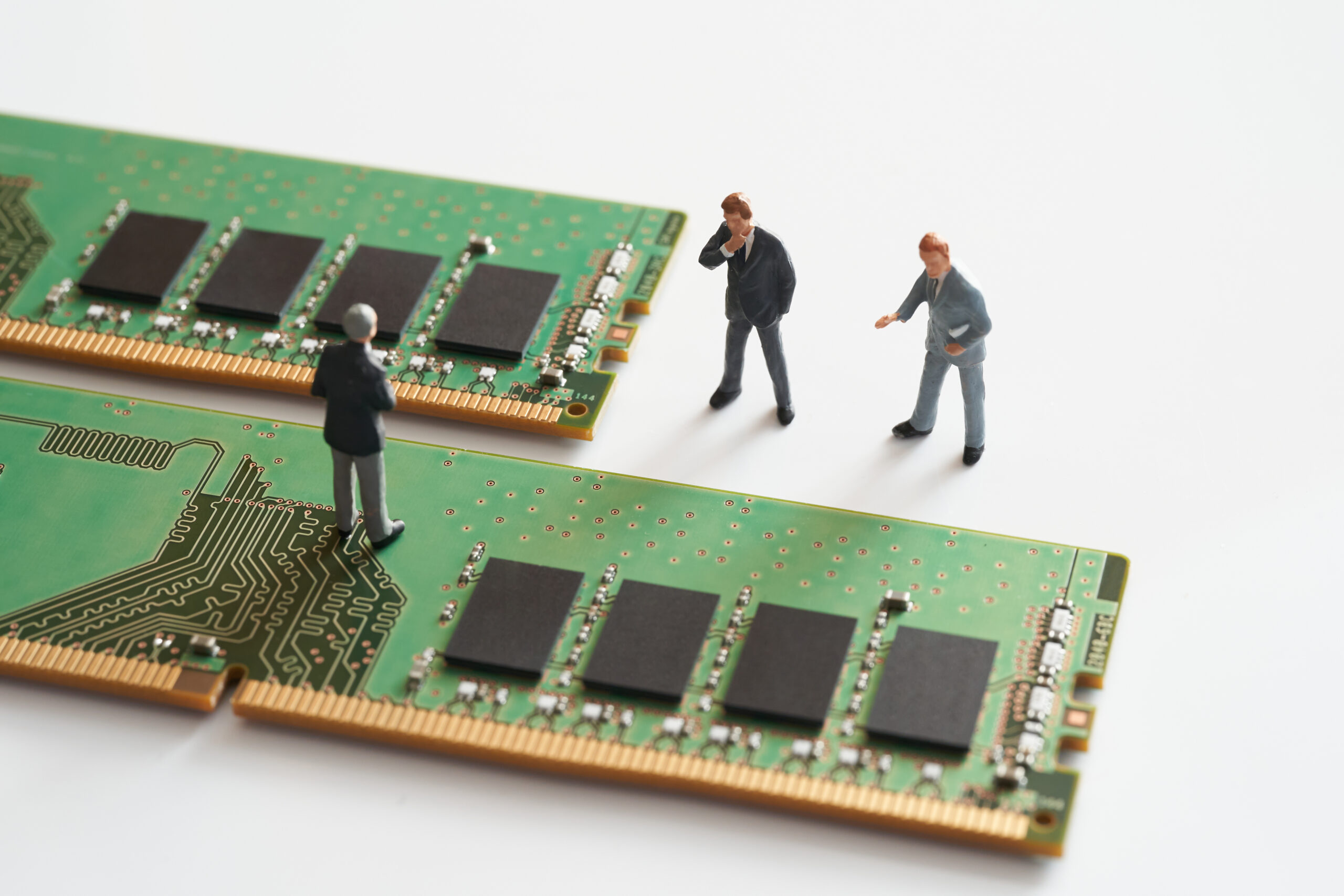
If your business is planning to upgrade computers, servers, or other IT equipment this year, you may notice higher hardware costs than expected. One of the biggest reasons is the rising cost of RAM.
RAM, or Random Access Memory, is a core component used in almost every computer, server, and network device. Over the past year, global memory prices have climbed sharply due to supply limitations and increased demand across several technology sectors. As a result, businesses purchasing new hardware are beginning to feel the impact.
Below is a look at what is driving these price increases and what organizations should consider when planning IT upgrades.
Memory Prices Are Rising Rapidly
Recent market data shows just how quickly memory prices are climbing. According to Counterpoint Research, DRAM prices increased 40 to 50 percent in late 2025 and are expected to continue rising into 2026. A 64GB RDIMM server memory module rose from about $255 in Q3 2025 to around $450 in Q4 2025, and analysts suggested prices could climb even higher in 2026.
Industry analysts also report that overall DRAM prices increased significantly throughout 2025 and could rise 55 to 60 percent in early 2026 due to continued supply constraints.
Source:
https://nand-research.com/memory-flash-crisisc-update-march-2026/
In other words, the cost of memory that powers business computers and servers is increasing much faster than most IT components typically do.
Supply Constraints From Manufacturers
One of the main causes of rising RAM prices is limited supply from memory manufacturers. After experiencing periods of oversupply earlier in the decade, many DRAM manufacturers reduced production to stabilize the market.
When demand began to rise again, supply could not increase quickly enough to keep up. Memory fabrication facilities require years and billions of dollars to expand, which means short term supply cannot easily adjust to sudden increases in demand.
Source:
https://www.ramexchange.net/blog/why-are-ram-prices-increasing-in-2026
This supply imbalance has pushed the market into what analysts call a structural supply constraint, where demand consistently exceeds available production capacity.
Source:
https://nand-research.com/memory-flash-crisisc-update-march-2026/
Growing Demand From Data Centers
Another factor influencing RAM prices is the rapid expansion of data centers and cloud infrastructure.
Large organizations and service providers are deploying servers that require massive amounts of memory. These systems often use large quantities of high speed DRAM, which reduces the supply available for desktops, laptops, and standard business servers.
Source:
https://www.ramexchange.net/blog/why-are-ram-prices-increasing-in-2026
Because many industries rely on the same global memory supply chain, demand from one sector can affect pricing across the entire technology market.
Legacy Hardware Still Needs Older Memory
Many businesses still rely on systems that use DDR4 memory, even as newer systems move to DDR5. However, manufacturers are gradually shifting production toward newer technologies.
As production of older memory types slows while demand remains steady, supply becomes tighter. This can drive prices higher for legacy systems that businesses still depend on.
Source:
https://www.ramexchange.net/blog/why-are-ram-prices-increasing-in-2026
For companies running older servers or workstations, this trend can make upgrades or replacements more expensive than expected.
What This Means for Businesses
For businesses planning technology upgrades, rising memory costs can affect both budgeting and procurement timelines. Some organizations may experience:
• Higher costs for new laptops, desktops, and servers
• Increased prices for memory upgrades
• Longer hardware lead times due to supply constraints
While these increases are part of broader market trends, planning ahead can help businesses avoid unexpected costs or delays.
Plan Your IT Strategy With Klos Consulting
Technology markets change quickly, and hardware pricing can fluctuate based on global supply chains and industry demand. Working with the right IT partner helps ensure your business stays ahead of those changes.
Klos Consulting helps businesses evaluate their current systems, plan hardware upgrades, and make cost effective technology decisions. Our team monitors industry trends and supply conditions so your organization can upgrade infrastructure without unnecessary risk or overspending.
If you are planning a hardware refresh or considering new systems this year, contact Klos Consulting today to review your IT strategy and ensure your business is prepared for the changing technology landscape.